12.18.2010

Goat Summit 2010

Recently, this year's goat herd owners and I met in the Dougie House basement to determine the fate of our four brave goats. Ultimately, as was the case last year, all four will be killed, butchered, and turned into a delicious meal. The question is when.

Because of exams, work schedules, and the holiday break, it was decided that the goats would remain on Dana and Mikey's property, where they can continue to destroy the backyard's privet, honeysuckle, and English ivy population until everyone returns after the New Year. Then, sometime during the second or third week of January, all four goats will be killed, slow roasted, and celebrated with another Dougie caliber cookout.

Pictures and notes from the Dana/Mikey goat compound will be posted in a few week's time. Meanwhile, the latest report on the herd is that they have continued to clean up the yard and, most importantly, begun to concentrate on the groundlayer of English ivy.

12.01.2010

"This is a private residence, man!"

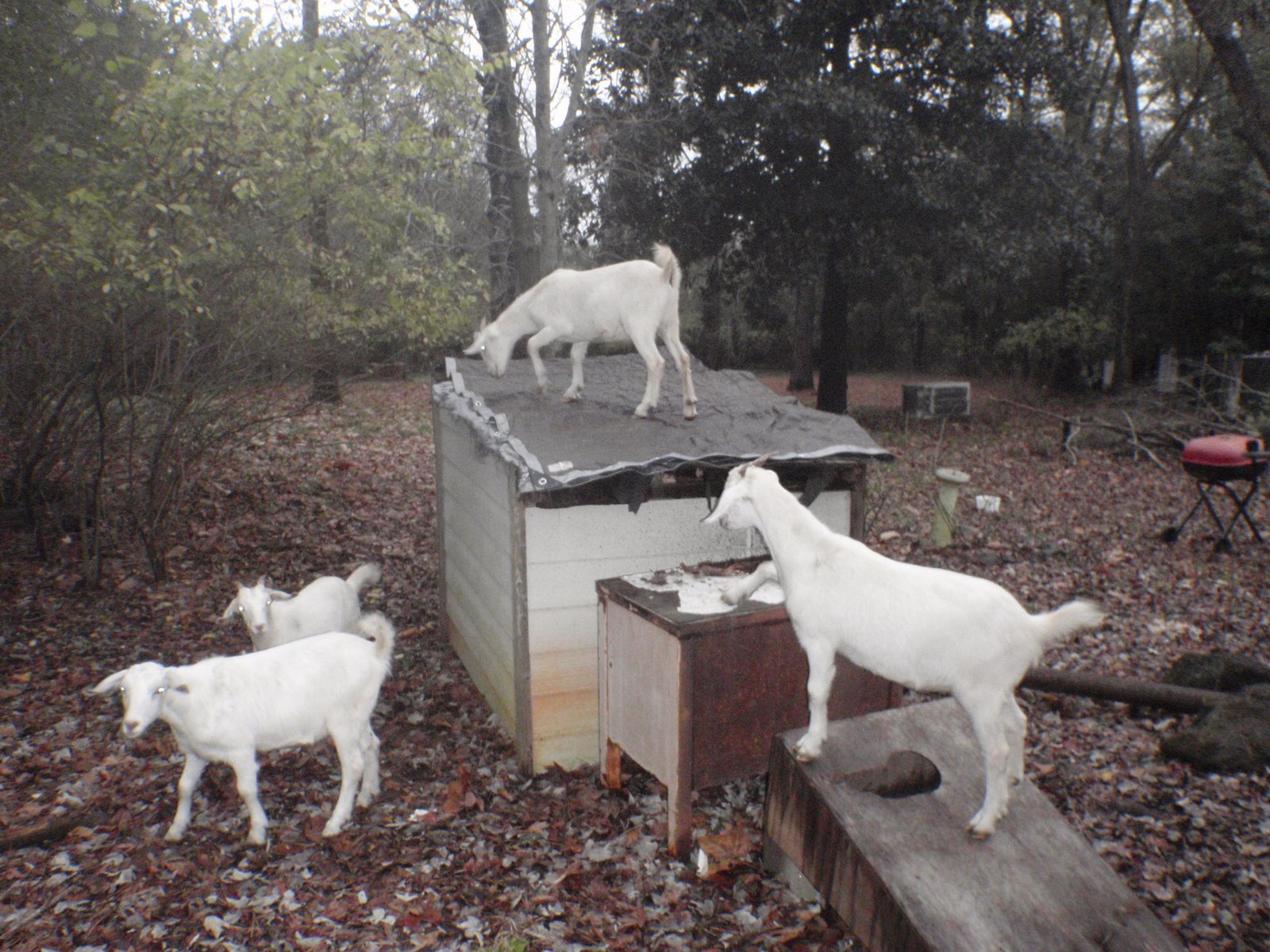
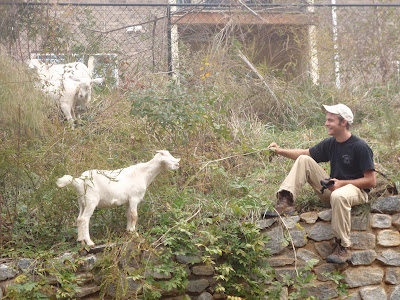
Like last year, the goats were together again for Thanksgiving Break. This time, the reunion took place in Dana and Mikey's yard, home of Trevor and Cody - the humble, grounded goats pictured below.


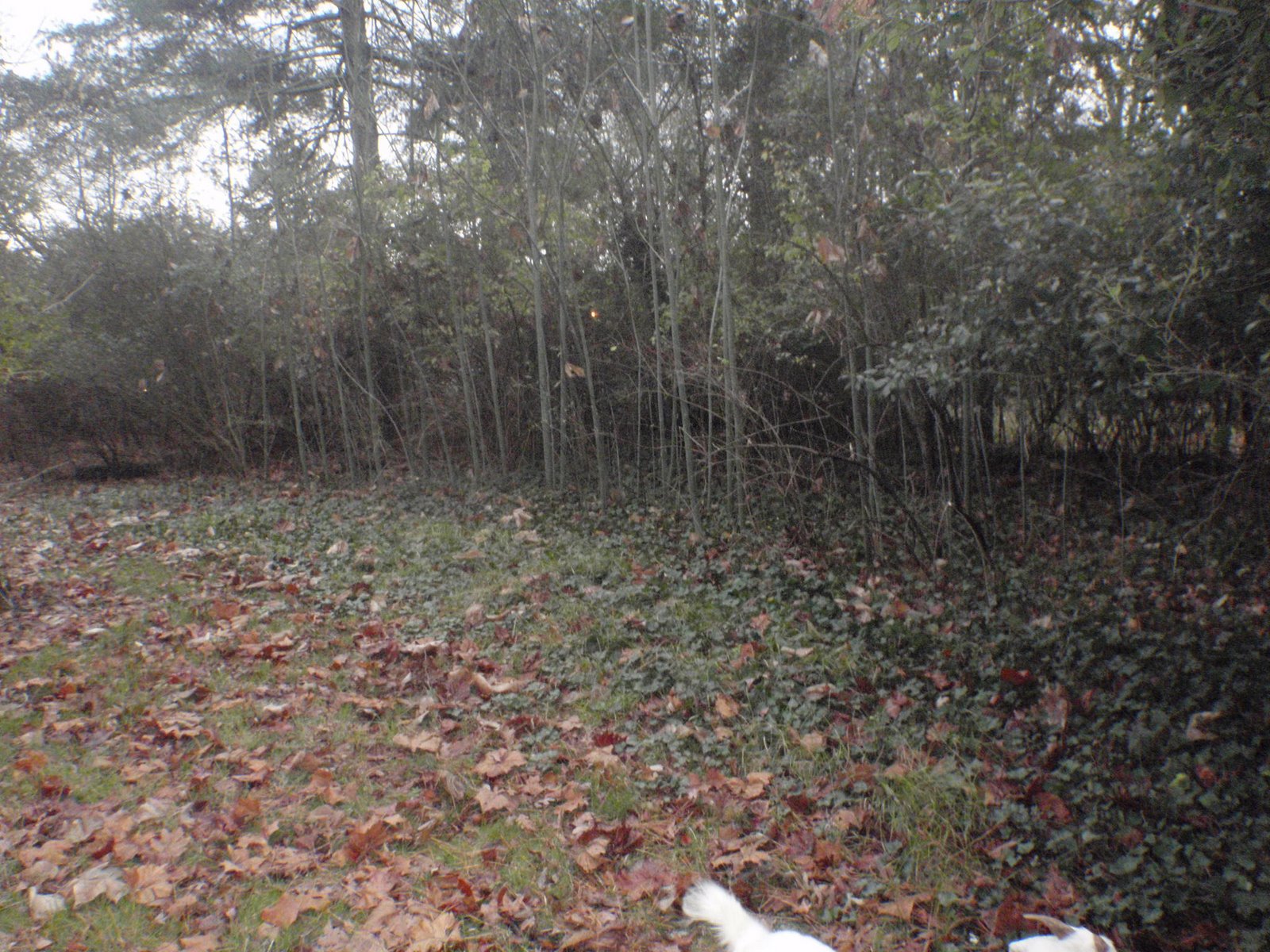
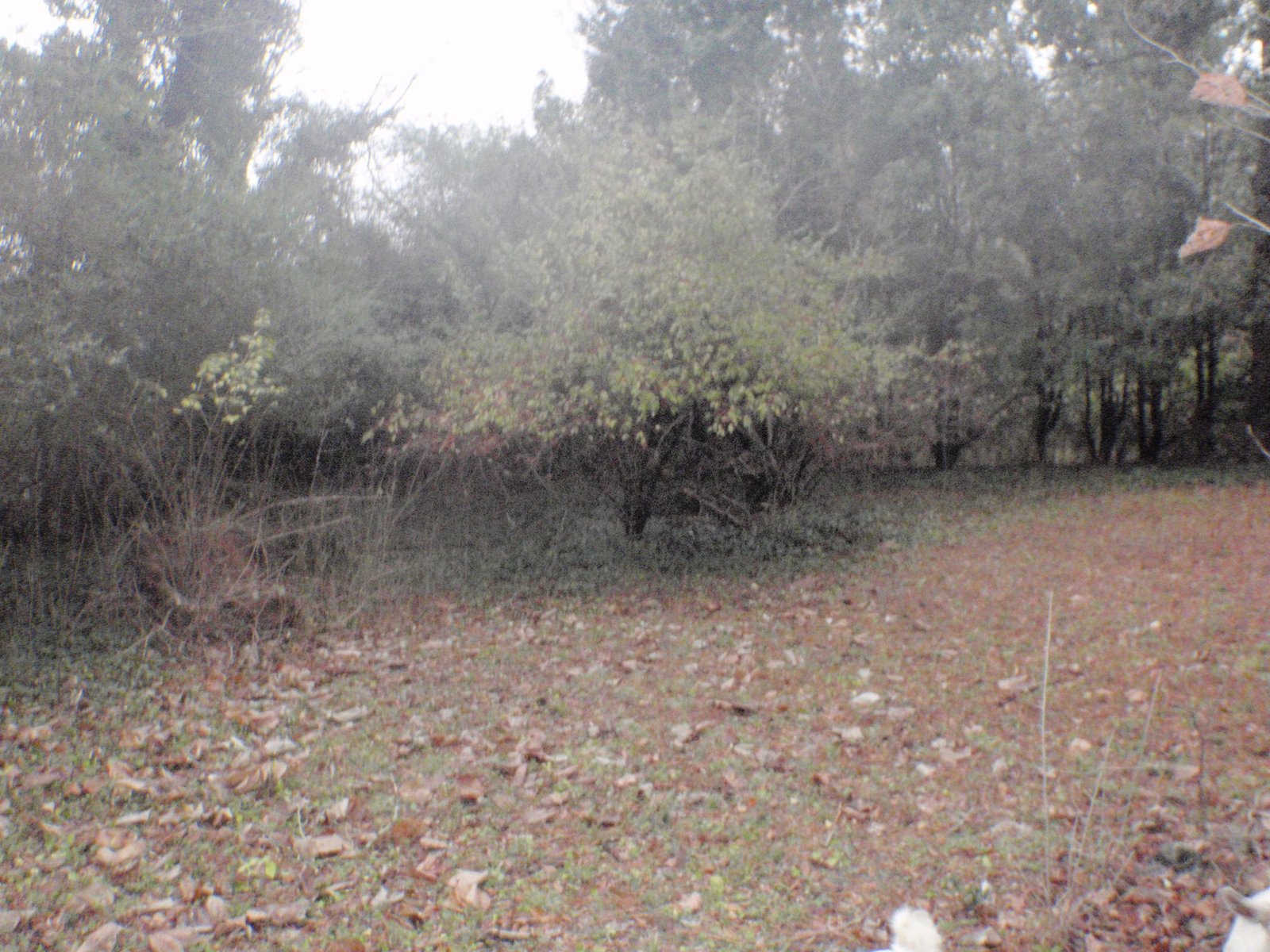
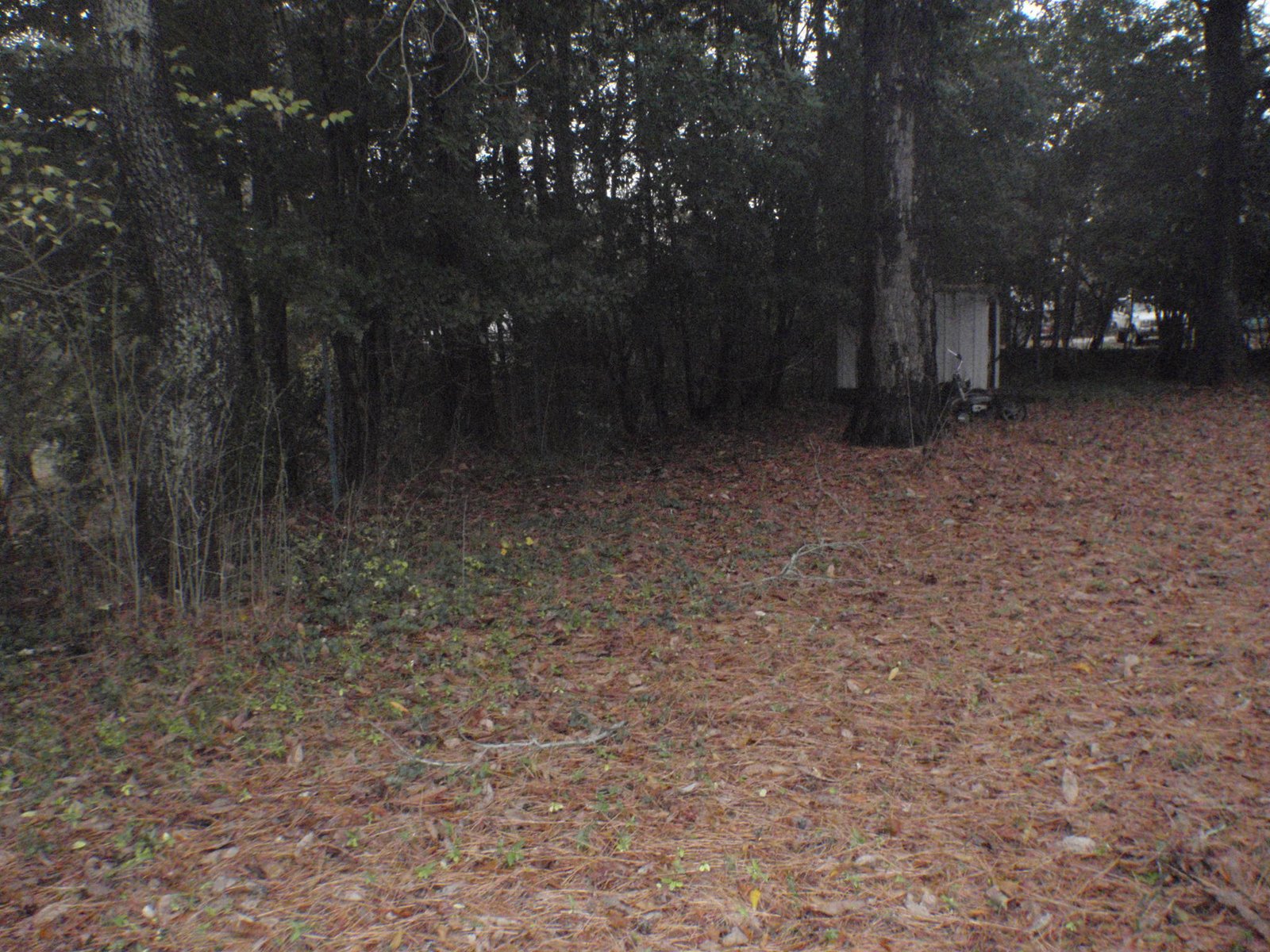
You'll have to use your imagination to compare the pictures below with what was once an opaque mass of privet and honeysuckle. Everything under 4 feet has been stripped bare, improving sight lines back into the yard. Hopefully, the groundlayer of English ivy will be the next course...


It looks like the goats will probably remain at Dana's over Christmas break as well. Not to knock on the Dougie House fence - which no doubt has more character - but Dana and Mikey's yard is a fortress. Almost 2 months, and not a single escape story.
From a restorative perspective, this offers some opportunities to
  • continue tracking how much damage 4 goats can do in over a month's time
  • observe how much leafing out the Dougie House yard experiences with no goats for a month
  • see how long it takes for the goats to clean up the Dougie House again after the break

11.29.2010

"Come on, Donny. They were threatening castration."


"Nobody's going to cut your dick off. Not if I have anything to say about it."


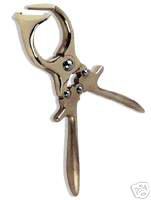
It's goat birthing time again on Miss Charlie's farm. Or at least we thought it was. A goat's gestation period is right around 150 days, or 5 months. So, with that fateful day drawing near, I spent the afternoon on the farm with the intent of getting some hands on experience in goat birthing and castration. Who knows, might come in handy later. Unfortunately, I came a little too early and wasn't needed. Maybe that's not a bad thing, though. Check out the tool used for castrating the poor little guys:

Definitely not something I see myself ever being comfortable holding. Ouch.


I did, however, get a chance to take the kayak out on the farm pond for some fishing. And, I wouldn't be a true fisherman if I didn't take this opportunity to brag about the catch of the day:


As much as I was tempted, Photoshop was not used in this image. Just a hoss.


Next time I'm out at the farm, I'll be sure to take some pictures of the herd's newest members. If they're anything like last year's bunch, they should be as entertaining as they are cute.

11.25.2010

Another herd. Another service project.


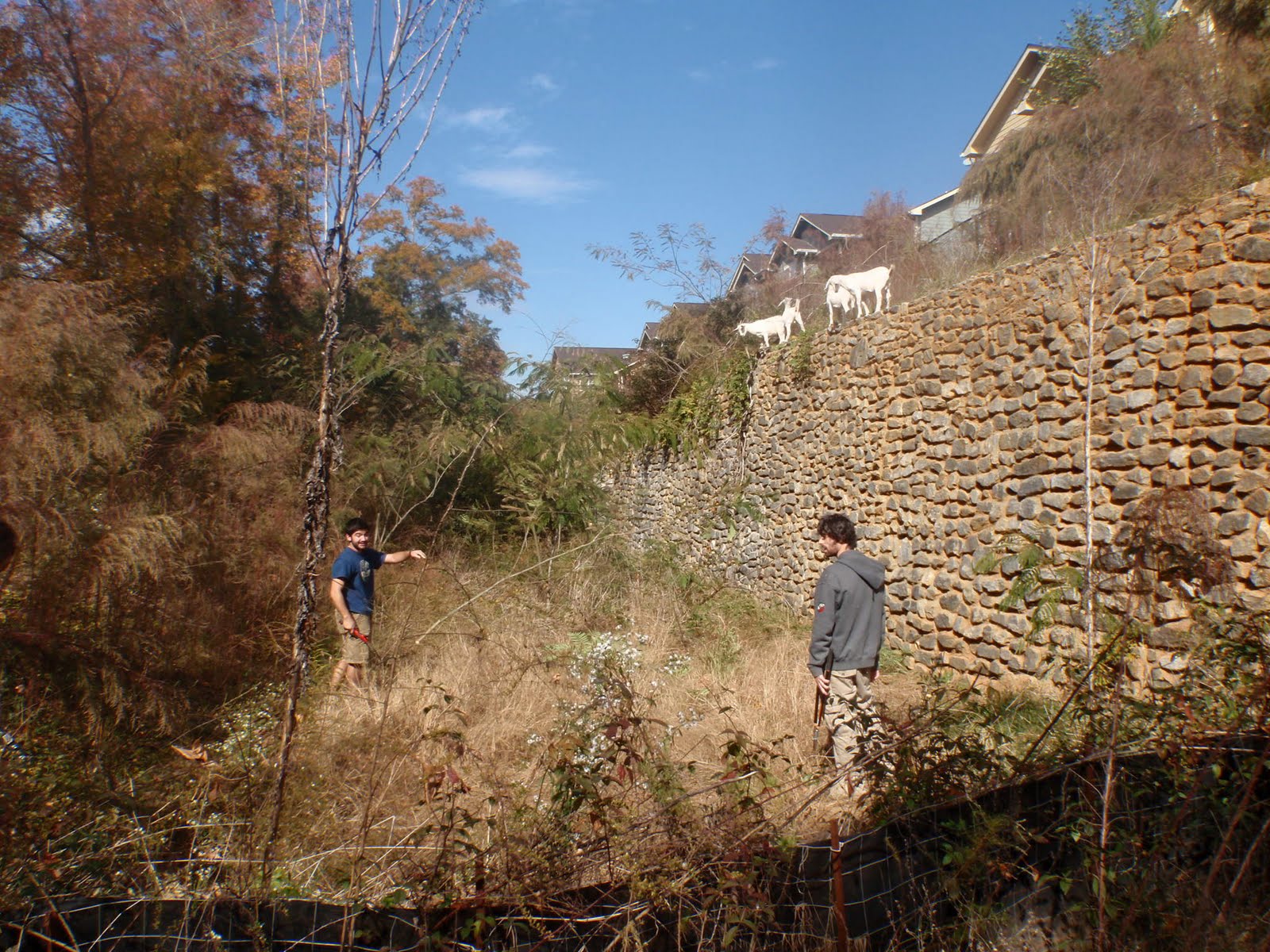
Click on the picture above to see a few more pictures of this year's chew crew going to town in a fenced-in, overgrown detention pond in one of Athens' first affordable housing complexes, 4th Street Village.

Besides a little tighter squeeze in the makeshift transporter and an unpleasant introduction to fire ants, our four goats peformed wonderfully. While Caroline, Clarence, Thomas, and I felled mimosa trees and gathered trash, the reunited goats spent the afternoon grazing on a smorgasborg of wisteria, dog fennel, and privet. Although a mere 6 hours barely put a dent in the space's overall appearance, the outing definitely serves as proof that goats should be considered as an economical, quiet, and entertaining management solution.


"Maude? That's my robe."

Picture borrowed from ultimategoatfansite.com

It's a common misconception that goats will eat just about anything: hair, tin cans, rope, or this unlucky lady's top. The truth is, I was surprised to learn, that goats are relatively picky eaters. Several species in the backyard, for whatever reason, have escaped the terrible fate of goat grazing. Listed below is a running list of the less palatable plants.

  • Redbud
  • Azaleas
  • Hollies
  • Ferns
  • Jewelweed
  • Aucuba
  • Cherry laurel
From an ecological restoration approach, it's interesting to note that several of the plants our goats walk by on their way to privet are native. Perhaps even more noteworthy is that a few of these species have appeared naturally after last year's herd cleared the dense mat of monkeygrass and ivy.

11.14.2010

A Month's Worth of Eating

Here's the progress in right around a month. Job well done, goats.


Check out the view from the back looking at the deck. That's Dusty for scale in the middle this time.


See the post below for more before/after images.

11.10.2010

Before, After, and another Before

Here's a quick visual rundown of what we began with last September...


what last year's goats left us with...


and what this year's goats are up against...


To help give the vegetation some scale (and finally introduce Nate's mug to the blog) here's another shot looking back at the house:


As anticipated, it's pretty clear that this privet isn't going to go down easily. There is, however, some noticeable progress. For one, a large stand of jewel weed has established itself near the creek. And, although there's certainly no shortage of privet, the remaining plants are much more manageable and within easy reach of a hungry goat mouth. The English ivy, on the other hand, seems to have gotten the hint. You may remember the downed mulberry tree (pictured above) covered in a thick mat before being cleared by last year's three goats. Almost a year later, and it's still ivy-free. Booyah.