11.25.2010

Another herd. Another service project.


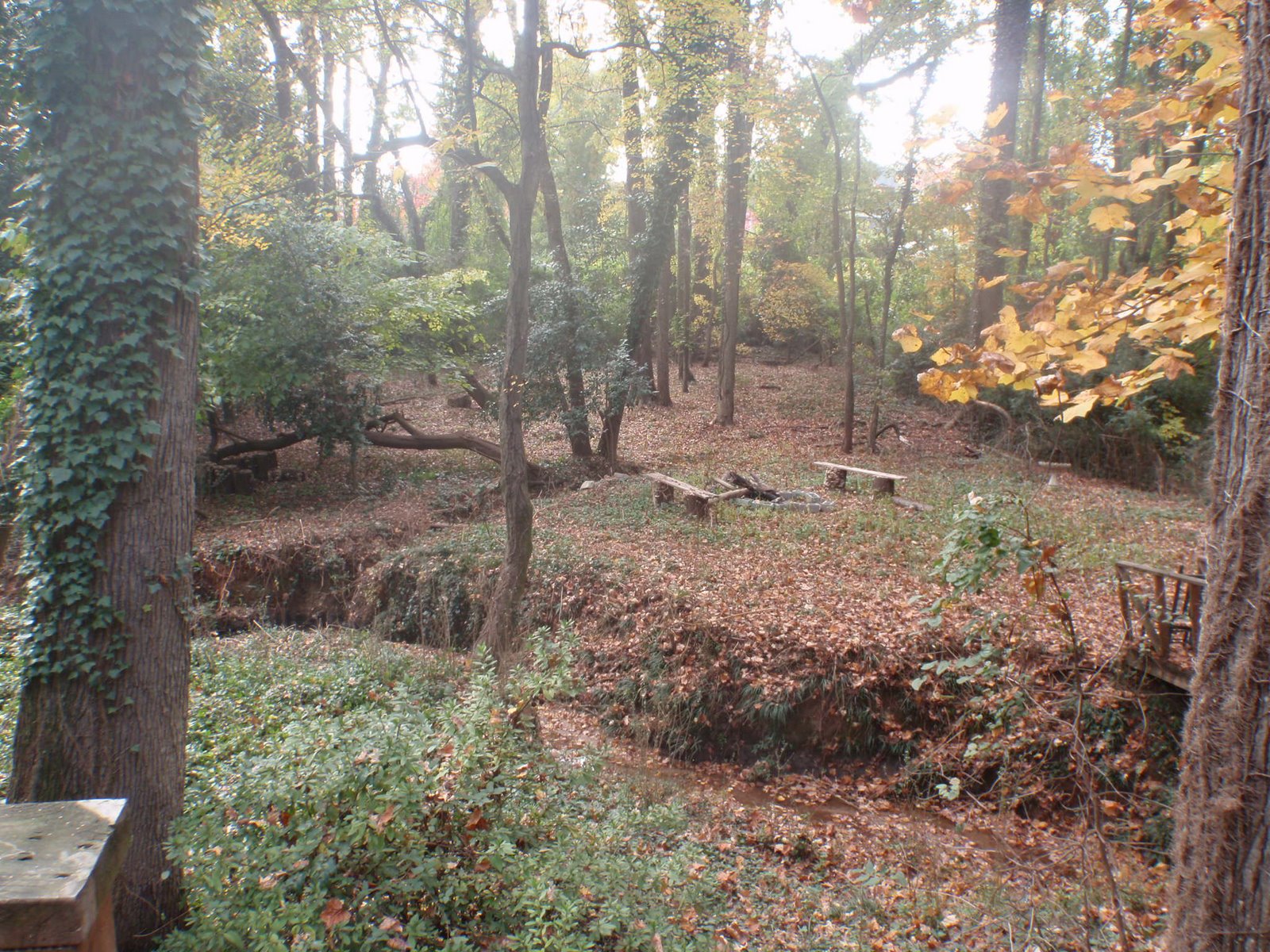
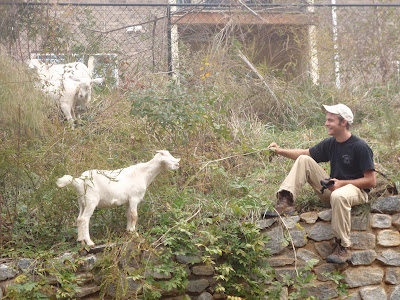
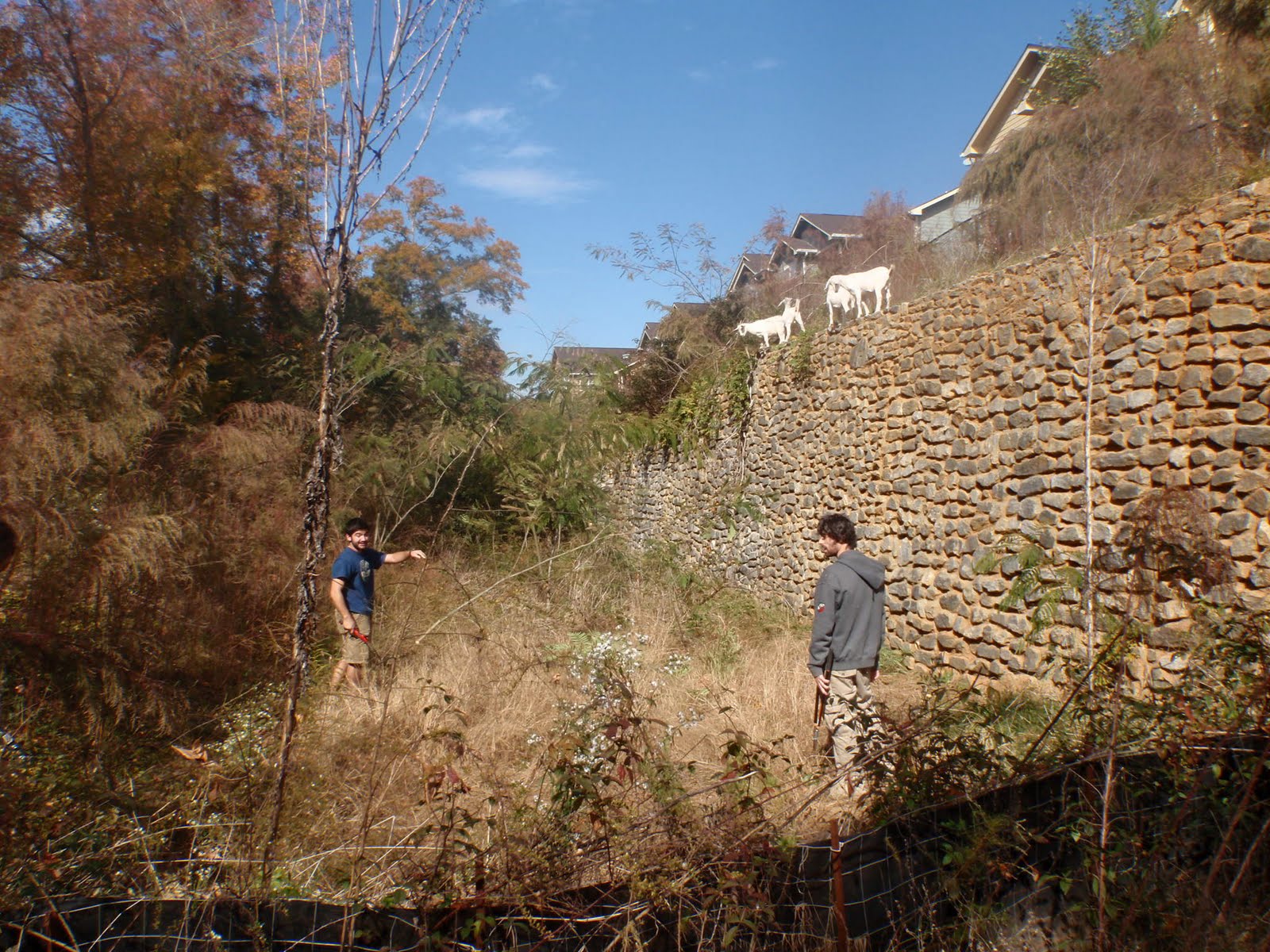
Click on the picture above to see a few more pictures of this year's chew crew going to town in a fenced-in, overgrown detention pond in one of Athens' first affordable housing complexes, 4th Street Village.

Besides a little tighter squeeze in the makeshift transporter and an unpleasant introduction to fire ants, our four goats peformed wonderfully. While Caroline, Clarence, Thomas, and I felled mimosa trees and gathered trash, the reunited goats spent the afternoon grazing on a smorgasborg of wisteria, dog fennel, and privet. Although a mere 6 hours barely put a dent in the space's overall appearance, the outing definitely serves as proof that goats should be considered as an economical, quiet, and entertaining management solution.



"Maude? That's my robe."

Picture borrowed from ultimategoatfansite.com

It's a common misconception that goats will eat just about anything: hair, tin cans, rope, or this unlucky lady's top. The truth is, I was surprised to learn, that goats are relatively picky eaters. Several species in the backyard, for whatever reason, have escaped the terrible fate of goat grazing. Listed below is a running list of the less palatable plants.

  • Redbud
  • Azaleas
  • Hollies
  • Ferns
  • Jewelweed
  • Aucuba
  • Cherry laurel
From an ecological restoration approach, it's interesting to note that several of the plants our goats walk by on their way to privet are native. Perhaps even more noteworthy is that a few of these species have appeared naturally after last year's herd cleared the dense mat of monkeygrass and ivy.

11.14.2010

A Month's Worth of Eating

Here's the progress in right around a month. Job well done, goats.


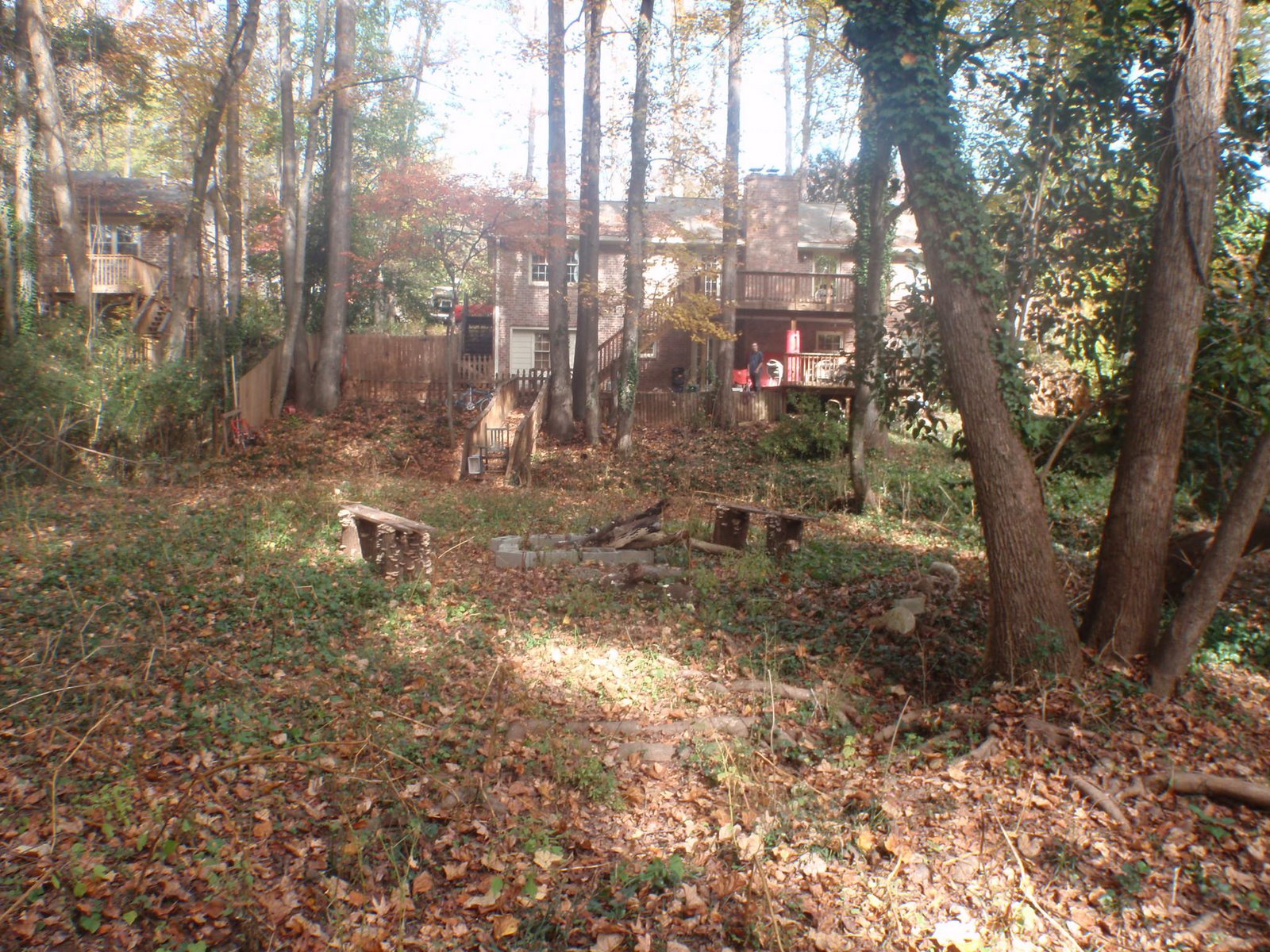
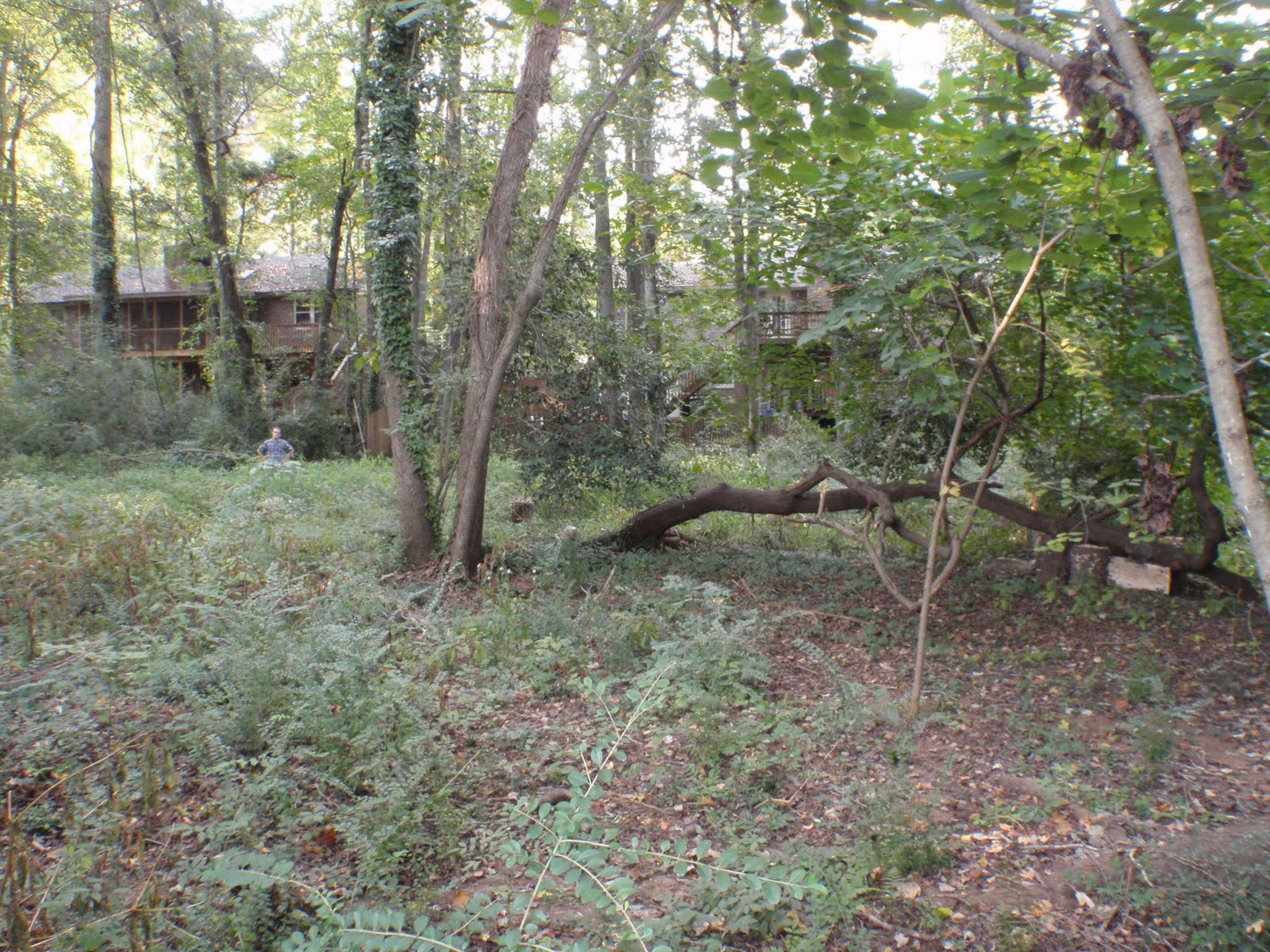
Check out the view from the back looking at the deck. That's Dusty for scale in the middle this time.


See the post below for more before/after images.

11.10.2010

Before, After, and another Before

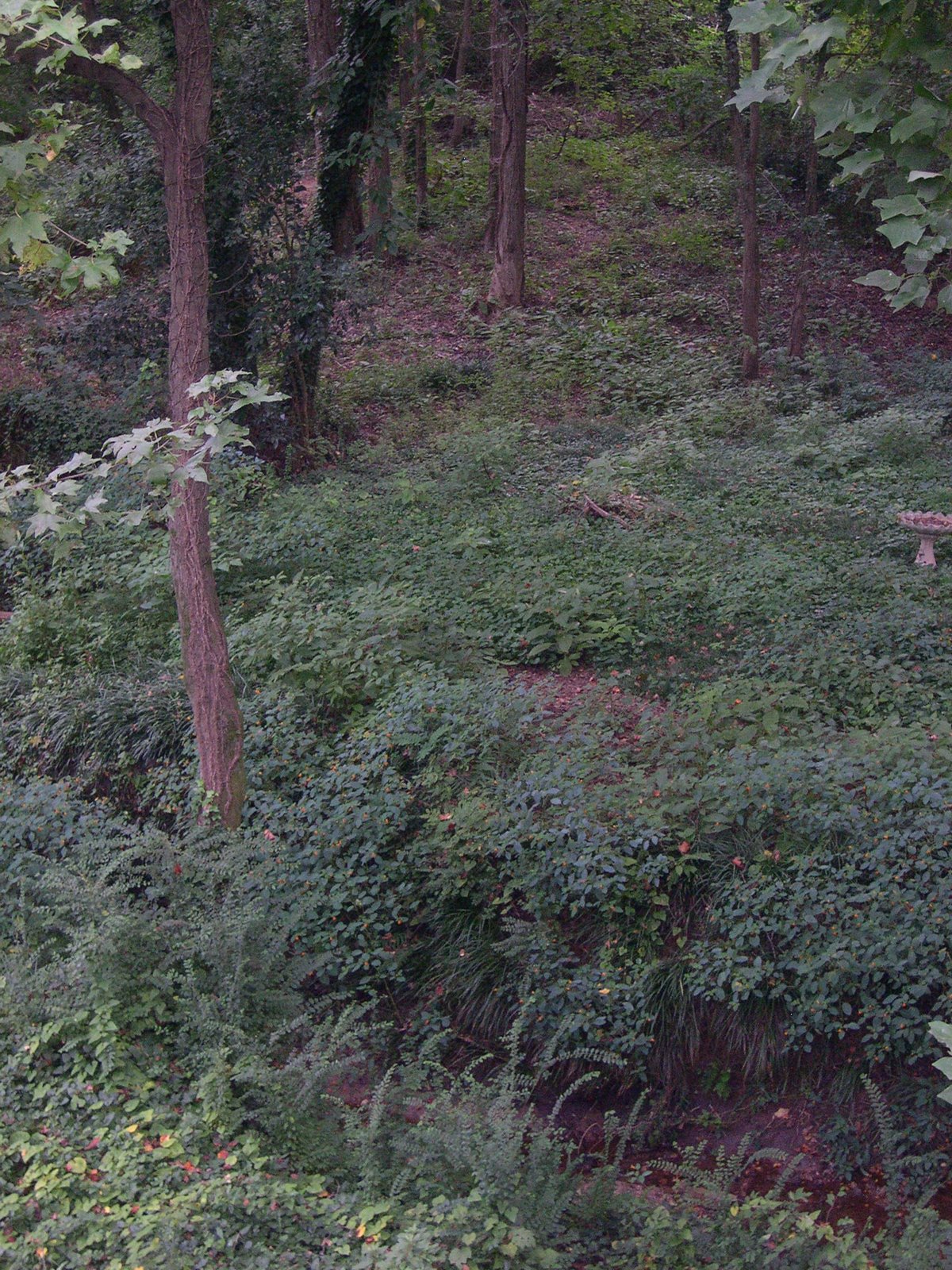
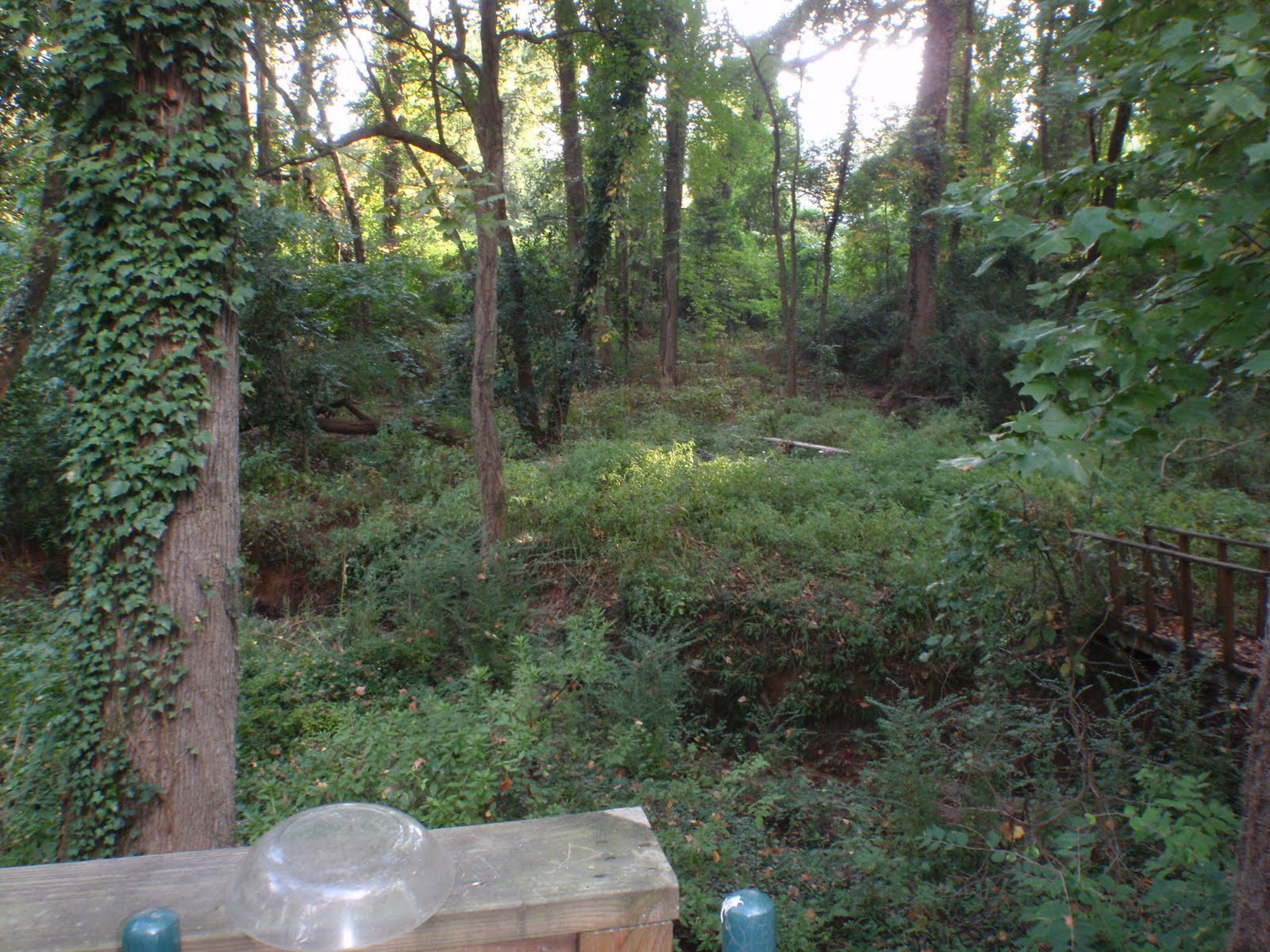
Here's a quick visual rundown of what we began with last September...


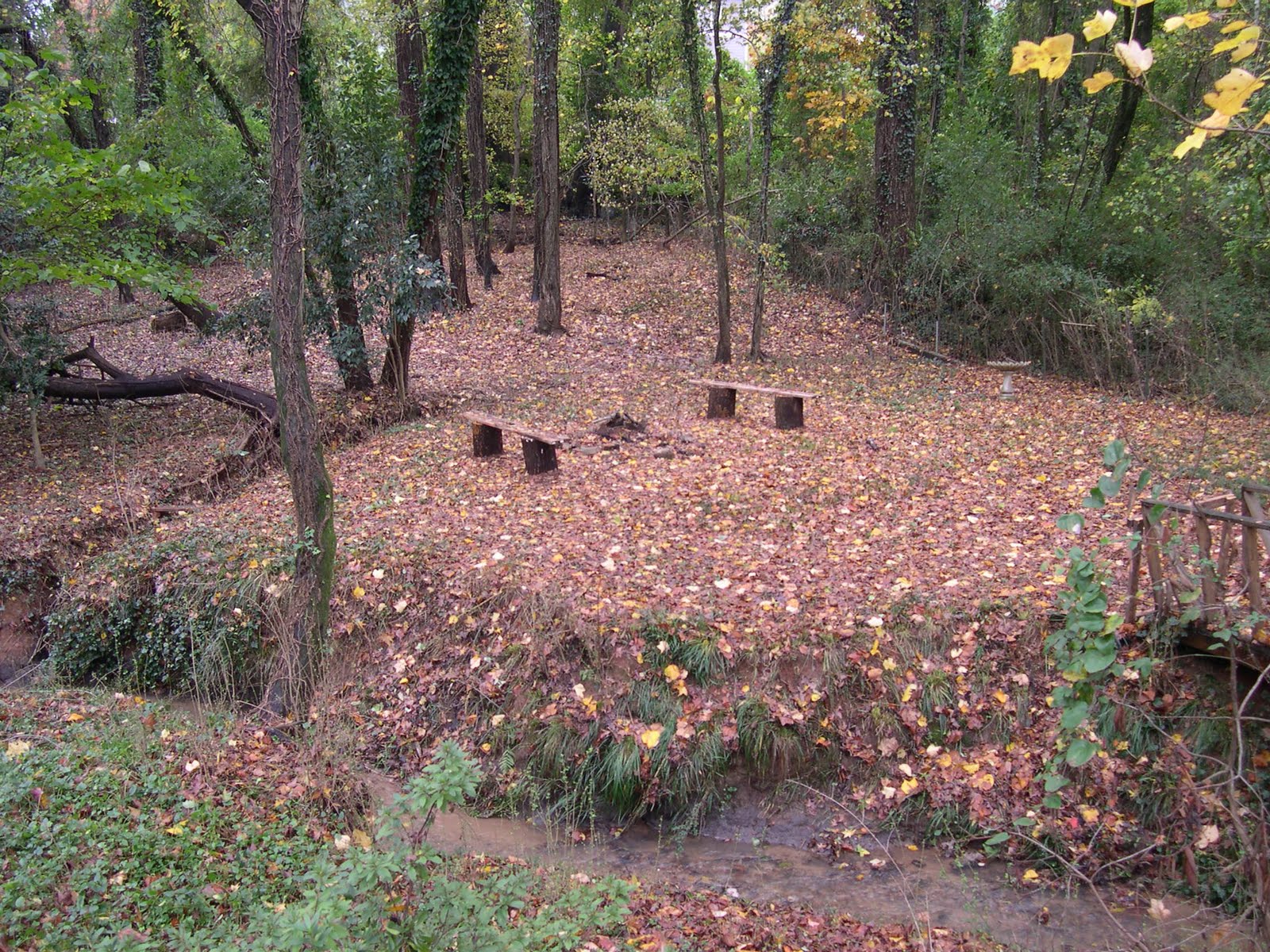
what last year's goats left us with...


and what this year's goats are up against...


To help give the vegetation some scale (and finally introduce Nate's mug to the blog) here's another shot looking back at the house:


As anticipated, it's pretty clear that this privet isn't going to go down easily. There is, however, some noticeable progress. For one, a large stand of jewel weed has established itself near the creek. And, although there's certainly no shortage of privet, the remaining plants are much more manageable and within easy reach of a hungry goat mouth. The English ivy, on the other hand, seems to have gotten the hint. You may remember the downed mulberry tree (pictured above) covered in a thick mat before being cleared by last year's three goats. Almost a year later, and it's still ivy-free. Booyah.


11.01.2010

Two Proud New Herders

Below are this year's two new goat herders. I played the role of goat broker/transporter, linking Willy (foreground) and Dana with Miss Charlie. Everything went smoothly - as in no bloody foreheads.


Don't worry. My time with these goats doesn't stop here. I'll continue observing the two new Dougie House Goats and comment on their progress. Dana was also kind enough to offer his goats as study material, so I should have access more than enough goatscaping to write about.

More to come soon.


10.27.2010

"Speaking of idle hands..."

Long time, no post, I know. Here's a gem to get back into the swing of things:


The Colbert ReportMon - Thurs 11:30pm / 10:30c
People Who Are Destroying America - Landscaping Goats
www.colbertnation.com
Colbert Report Full Episodes2010 ElectionMarch to Keep Fear Alive


1.09.2010

"Check my LP's."

Remember the experimental goat herding at 5 Acre Woods post? Here's some video that was shot that day. Coach Counter gives a brief summary of what exactly is going on before I come in carrying the late Digby. Count how long it takes him to start eating. This place is a goat's Land of Milk and Honey.


Another short clip of John Abraham doing what he did best.


It didn't take them long at all to completely decimate what little vegetation we encircled. Unfortunately, I was alone when the resources ran out and the goats got rowdy. Keeping them under control and relocating their paddock would have been nearly impossible, so I spent the morning pulling up the surrounding privet and tossing it in with the goats. Had there been another set of hands, or, better yet, a larger and sturdier enclosure, goats could easily make a dent. Wouldn't take too long at all to see a noticeable change for the better. Maybe as our class moves into the project, I can convince someone to let me try again.